
❋
Understanding Joint Pain and Arthritis
Joint pain can affect mobility, comfort, and the ability to enjoy everyday activities. It may arise from arthritis, inflammation, injury, or changes in the tissues surrounding a joint.
Arthritis includes several conditions that can cause joint pain and stiffness. Osteoarthritis, for example, involves changes in the joint tissues over time. The cause of symptoms and the most appropriate treatment vary from person to person.
What Causes Joint Pain?
Possible causes include:
Osteoarthritis: Changes in joint cartilage and surrounding structures may cause pain and stiffness.
Inflammation: Inflammatory conditions can affect joints and surrounding tissues.
Injury or overuse: Repetitive stress or injury may contribute to discomfort.
Bursitis: Inflammation of a fluid-filled sac near a joint may cause localized pain.
Tendon or soft-tissue conditions: Problems involving nearby tendons and other tissues can resemble joint pain.
Sacroiliac joint pain: Irritation involving the joints between the sacrum and pelvis may contribute to lower back or buttock discomfort.
Common Areas Affected
Knee Pain
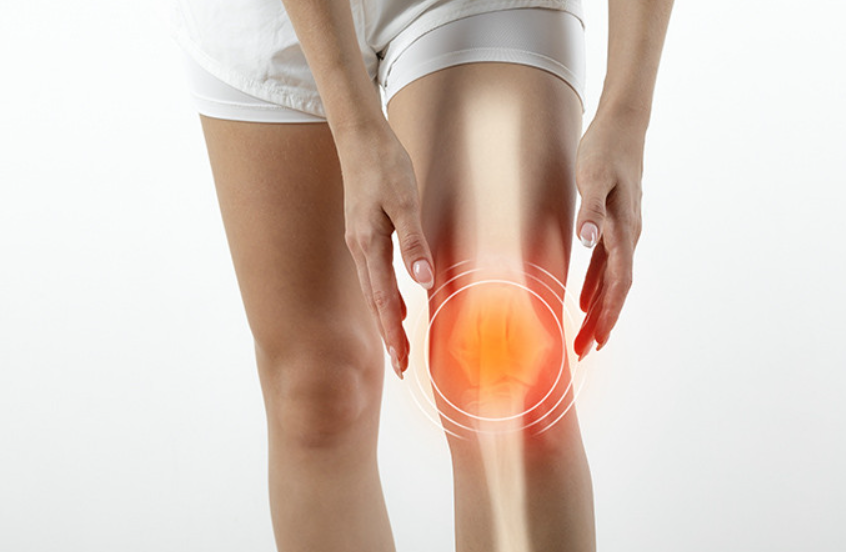
Knee discomfort may be related to arthritis, injury, inflammation, or other joint conditions. Pain can affect walking, climbing stairs, or standing for extended periods.
Hip Pain
Hip pain may originate in the hip joint or surrounding muscles, tendons, and other structures. Symptoms can interfere with walking, standing, or sleeping comfortably.
Shoulder Pain
Shoulder discomfort may arise from joint changes, tendon conditions, bursitis, or restricted movement, including frozen shoulder.
Sacroiliac Joint Pain
The sacroiliac joints connect the pelvis and lower spine. Pain in this area may be felt in the lower back or buttock and can sometimes resemble other sources of back pain.
How Is Joint Pain Evaluated?
Evaluation may include a review of your symptoms, medical history, and physical examination. Imaging or other tests may be recommended depending on the joint involved and the suspected cause.
Identifying the source of pain helps distinguish joint-related problems from symptoms originating in nearby nerves, muscles, or other structures.
Treatment Options
Depending on the diagnosis, treatment options may include:
Activity adjustments and other conservative approaches
Targeted joint or bursa injections for selected conditions
Sacroiliac joint injections when appropriate
Other interventional procedures based on the confirmed source of pain
Referral for additional evaluation when needed
The suitability of an injection or other procedure depends on your condition, medical history, and individual goals. Potential benefits and risks should be discussed before treatment.
YOUR WELLNESS MATTERS
Let’s Take the Next Step Together
Book a consultation and start your journey to less pain, more mobility, and a healthier you.