
❋
Understanding Neck Pain
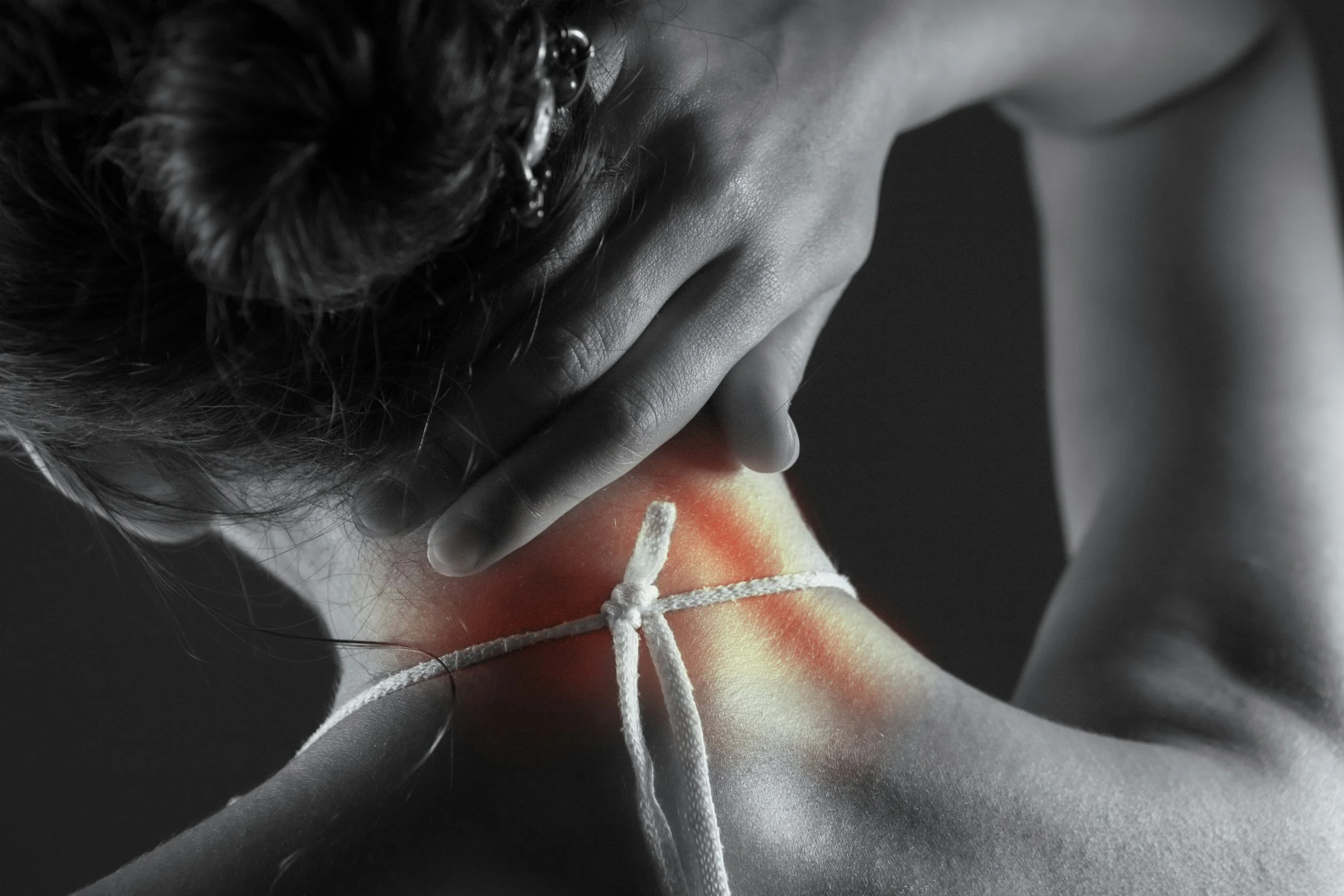
Neck pain can affect your ability to turn your head, work comfortably, sleep well, or participate in daily activities. It may begin suddenly after an injury or develop gradually over time.
The neck contains muscles, joints, discs, ligaments, and nerves that work together to support movement. Identifying which structures may be contributing to your symptoms can help guide treatment.
What Causes Neck Pain?
Potential causes include:
Muscle strain and tension: Repetitive movements, prolonged positioning, or physical strain can contribute to muscle discomfort.
Facet joint irritation: Changes affecting the small joints of the neck may cause localized pain and stiffness.
Herniated or degenerative discs: Disc changes can contribute to pain and, in some cases, irritation of nearby nerves.
Cervical spinal stenosis: Narrowing around the spinal cord or nerves may cause pain or neurological symptoms.
Nerve irritation: Compression or inflammation involving a cervical nerve may cause symptoms extending into the shoulder, arm, or hand.
Injury: Trauma or sudden strain may affect the structures supporting the neck.
Common Symptoms
Neck pain may involve:
Aching or stiffness in the neck
Difficulty turning or tilting the head
Pain extending into the shoulders or upper back
Pain, tingling, or numbness traveling down an arm
Headaches associated with neck discomfort
Weakness when a nerve or other neurological structure is affected
How Is Neck Pain Evaluated?
Evaluation typically begins with a review of your symptoms, medical history, and a physical examination. Depending on the findings, imaging or other tests may be recommended to investigate possible causes.
Symptoms involving weakness, coordination, or changes in walking may require prompt medical assessment.
Treatment Options
Treatment depends on the underlying condition and may include:
Activity modification and other conservative approaches
Epidural steroid injections for selected cases of nerve-related pain
Cervical facet joint injections or medial branch blocks
Radiofrequency ablation for certain facet-related pain conditions
Targeted nerve blocks when appropriate
Other treatments based on the diagnosis and individual circumstances
Your clinician can discuss which options may be suitable and explain their potential benefits, limitations, and risks.
YOUR WELLNESS MATTERS
Let’s Take the Next Step Together
Book a consultation and start your journey to less pain, more mobility, and a healthier you.