
❋
Understanding Spinal Stenosis
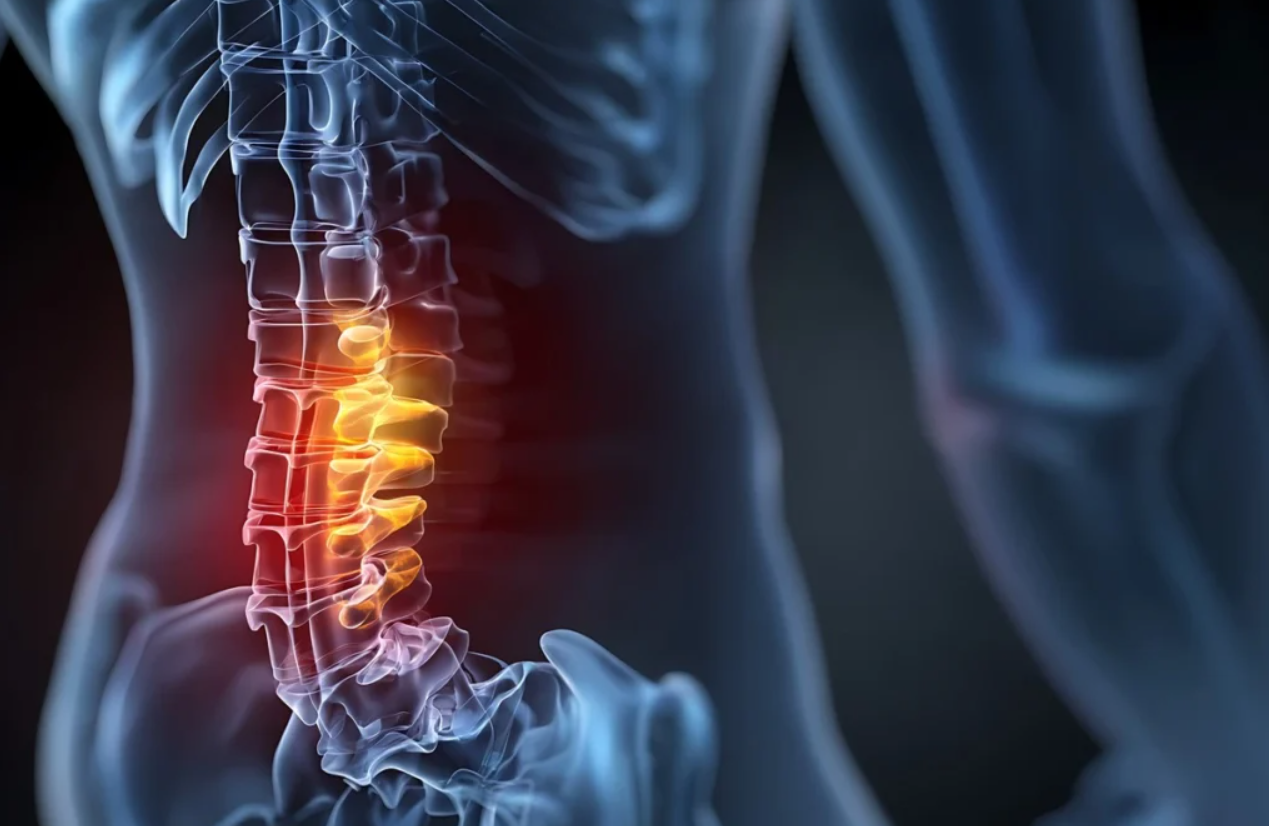
Spinal stenosis occurs when spaces within the spine narrow, potentially placing pressure on the spinal cord or nearby nerves. It most commonly affects the neck or lower back and may develop gradually as spinal structures change over time.
Some people have narrowing visible on imaging without significant symptoms. Treatment decisions depend on how the findings relate to your symptoms and physical examination.
What Causes Spinal Stenosis?
Potential contributing factors include:
Degenerative changes: Discs and joints may change with age and use.
Thickened ligaments: Ligaments within the spine may become thicker and reduce available space.
Bone spurs: Bony growths associated with degenerative changes may narrow nerve passageways.
Disc bulging or herniation: Disc changes may contribute to pressure on nearby structures.
Other spinal conditions: Certain structural changes can also reduce the space available for nerves.
Common Symptoms
Symptoms depend on the location and degree of narrowing.
Lumbar spinal stenosis may cause:
Lower back discomfort
Pain, heaviness, tingling, or numbness in the buttocks or legs
Symptoms that worsen with standing or walking
Relief for some people when sitting or bending forward
Cervical spinal stenosis may cause:
Neck pain or stiffness
Numbness or tingling in the arms or hands
Weakness or changes in coordination
Balance or walking difficulties when the spinal cord is affected
How Is Spinal Stenosis Evaluated?
Assessment may include a medical history, physical and neurological examination, and imaging such as MRI when indicated. The clinician considers both the imaging findings and the symptoms rather than relying on scans alone.
Treatment Options
Depending on the location, severity, and underlying cause, options may include:
Conservative management and activity adjustments
Epidural steroid injections for selected patients with related nerve symptoms
The minimally invasive lumbar decompression procedure, or MILD®, for eligible patients with specific causes of lumbar stenosis
Surgical evaluation when significant nerve compression or neurological symptoms require it
Not every patient with spinal stenosis needs a procedure. Treatment should be tailored to the clinical findings and individual goals.
YOUR WELLNESS MATTERS
Let’s Take the Next Step Together
Book a consultation and start your journey to less pain, more mobility, and a healthier you.